Amazon Cargo Plane Crash Exposes the Technology and Infrastructure Behind Modern Delivery Networks
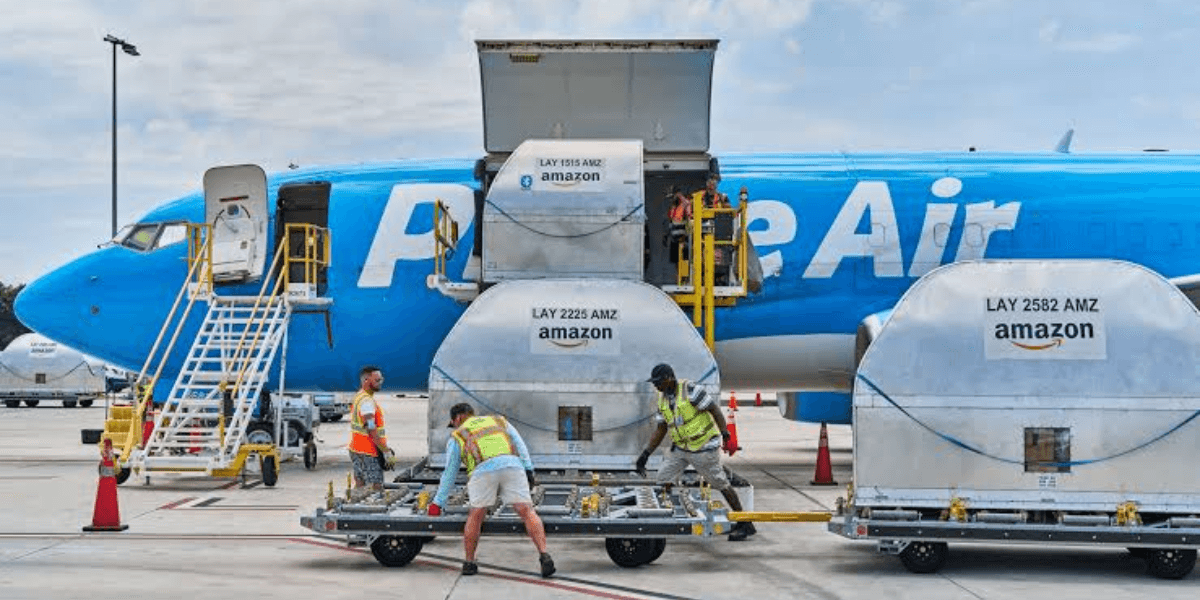
A cargo aircraft operating for Amazon Prime Air overran a runway at Miami International Airport on Sunday, temporarily halting airport operations and highlighting the complex transportation infrastructure supporting modern e-commerce.
The Boeing 767-300, operated by 21 Air as Prime Air Flight 7598, had arrived from San Juan, Puerto Rico, when it overran the runway at approximately 2 p.m. local time. The aircraft struck multiple vehicles and caught fire, prompting a large emergency response.
The incident quickly became a business and technology story because air cargo is an important component of the logistics systems used to move products between fulfillment centers, airports and customers.
E-Commerce Depends on Physical Infrastructure
Digital commerce often appears to be driven primarily by software, automation and data. Behind those systems, however, remain physical networks of aircraft, warehouses, trucks, sorting facilities and airports.
The Miami incident demonstrated the vulnerability of that physical layer.
When all runways and taxiways were closed, aircraft could not operate normally through the airport. The FAA imposed a ground stop, while airport officials warned of significant delays and possible cancellations.
For a logistics company, disruptions at major transportation nodes can require rapid adjustments to routing and scheduling.
Technology can help identify alternative routes and coordinate shipments, but software cannot eliminate the physical limitations created when a major airport becomes unavailable.
Amazon's Air Network
The aircraft involved carried Amazon Prime Air branding but was operated by 21 Air.
Amazon has developed a large logistics operation designed to move goods through a combination of fulfillment centers, transportation services and delivery networks. Air cargo provides one part of that system, particularly when speed and geographic distance make aviation useful.
The Miami crash did not by itself establish any broader problem with Amazon's logistics technology or operations. Investigators had not determined the cause of the accident, and officials emphasized that the situation remained under investigation.
Amazon spokesperson Kelly Nantel said the company was working with local authorities and officials to understand what happened.
Investigation Will Rely on Data
The FAA announced that it would investigate the crash, while the National Transportation Safety Board began gathering information. Aviation investigations commonly depend on multiple forms of evidence, including aircraft records, operational data, communications and physical examination of the aircraft and runway environment.
Those processes are important because modern commercial aviation produces extensive operational information that can help investigators reconstruct an accident.
The technology involved extends well beyond the aircraft itself. Airport systems, air-traffic-control infrastructure and flight-tracking systems all form part of the network through which aviation operations are coordinated.
The investigation will ultimately determine which factors were relevant to the runway overrun.
Business Technology Has Physical Limits
The incident also provides a broader lesson for technology-dependent businesses.
Digital systems can optimize routes, forecast demand and coordinate inventory, but they remain dependent on physical infrastructure. Airports, roads, warehouses and power systems can all become bottlenecks when disrupted.
For companies operating large-scale logistics networks, resilience therefore requires both technological flexibility and physical alternatives.
The Miami incident temporarily disrupted one part of Amazon's transportation network while also affecting airlines, passengers and other airport users.
As investigators determine what caused the crash and airport operations return to normal, the event provides a real-world example of how closely technology and physical infrastructure remain connected.
For modern businesses, the efficiency of a digital supply chain ultimately depends on the reliability of the physical systems carrying goods through it.
Biz Weekly Contributor
Covers business, technology, entrepreneurship, and the changing digital landscape.